

Real Food
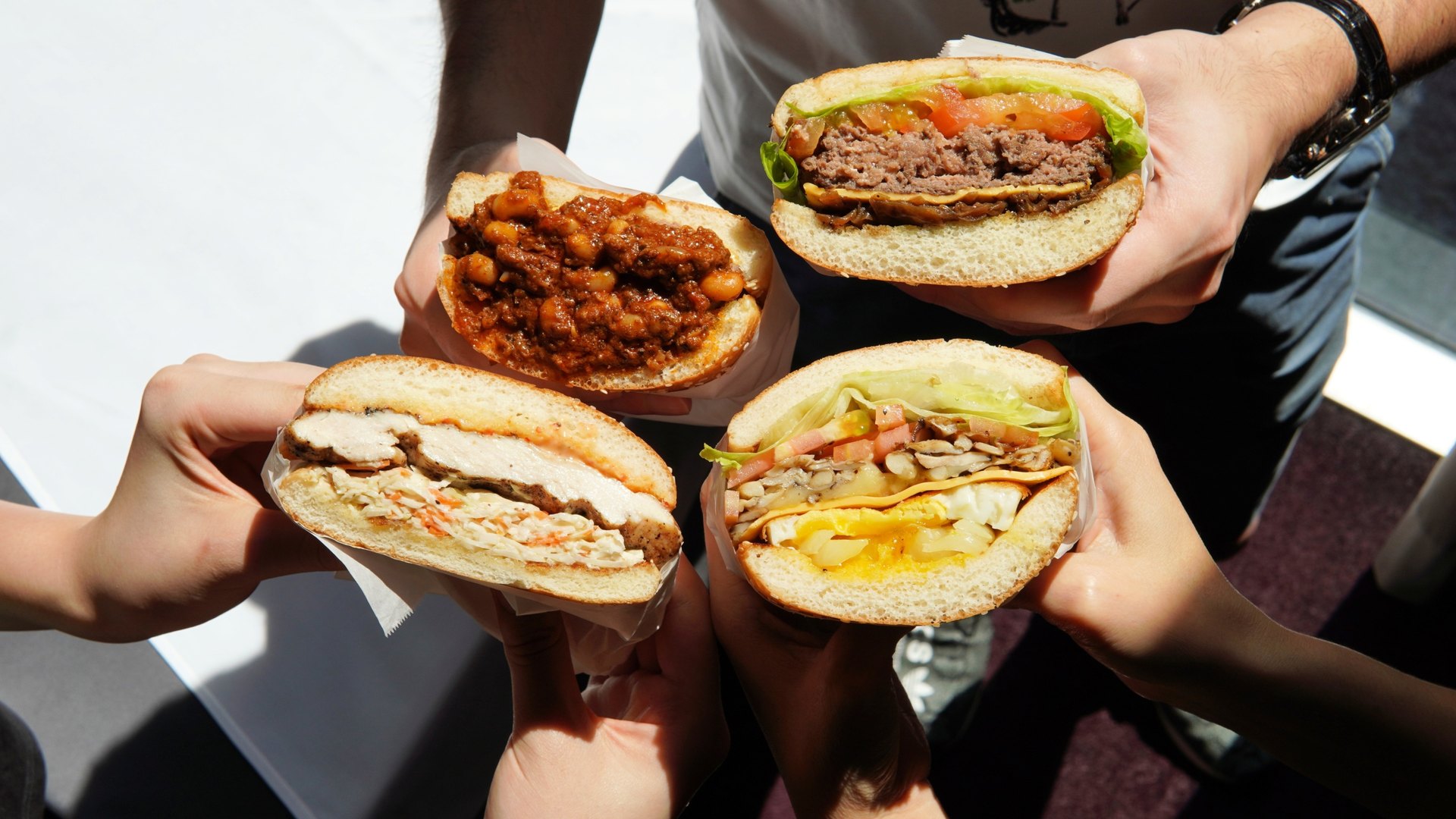
The American diner reworked for the Asian palate. Comfort food, fair prices and a family table, with queues from opening to the end of service.
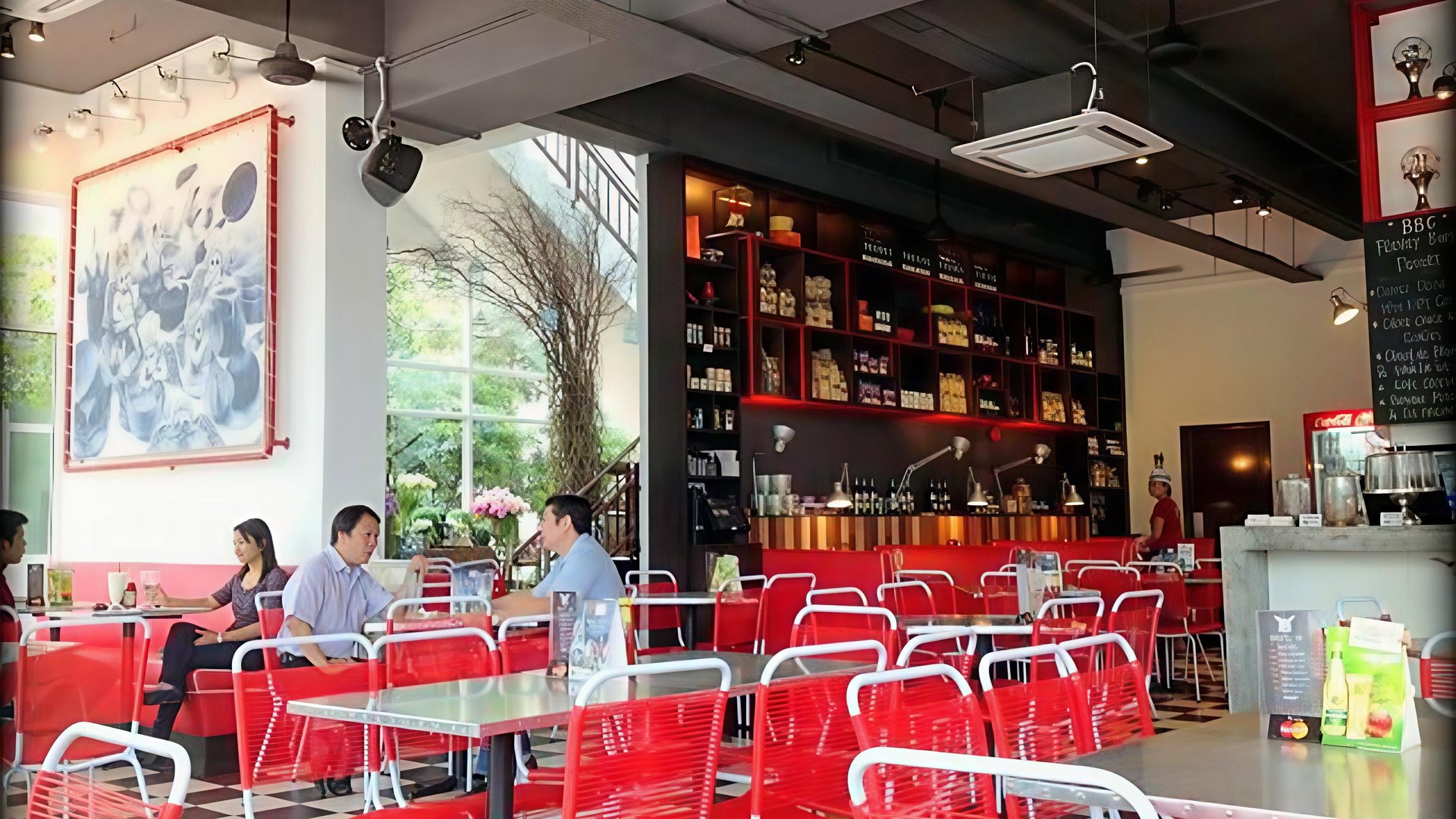
BadBoyCooks Diner opened at Oasis Square, Ara Damansara by May 2013. It was the first of my restaurants, a year before Brasserie Enfin took its own space in the same complex. The idea was simple and it worked: the American diner format, cooked for Asian palates. Comfort food served all day, at prices easy on the pocket but never at the cost of quality. It was a family room in the proper sense. A young couple, someone on a lunch break, a family of five and an older diner could each find something they wanted to eat at a price they were happy to pay. There were queues from the start of the day to the end of service.
Where the room sat
Oasis Square in Ara Damansara is a suburban complex in Petaling Jaya with a creative bent, and the following year it also became home to Brasserie Enfin. My restaurant work began there, and BadBoyCooks was the first room. By the time Brasserie Enfin opened in 2014, the BadBoyCooks counter had been drawing queues for a year.
The earliest review on the public record is Isaac Tan’s blog post of May 2013, “Bad Boy Cooks — Oasis, Ara Damansara”. EatDrinkKL wrote about it, Sai Mat Kong picked up the “Real Food” tagline by name, and Wanderlog lists it among the American restaurants in Petaling Jaya.
What the room was
BadBoyCooks took the American diner and cooked it for the Asian palate. I had no interest in nostalgic imitation. I wanted a considered, local reading of the diner as a hospitality format: counter service, all-day hours, a comfort menu, read through Malaysian taste. The flavours were Asian and familiar to local diners. The structure was American, familiar to anyone who has watched a diner on screen. The standards were those of a chef-led kitchen, the same as the rooms before and after.
The menu was written for local palates without dropping the technical standard a chef-led kitchen keeps. Comfort food, easy on the pocket, with no slide in quality: that was the discipline. We chose to keep prices low on purpose. Real Food, plainly named.
The format and the family table
It ran as a family venue, which none of my other rooms ever did. Brasserie Enfin and Enfin served the fine-dining crowd, Bouchon Enfin was a Lyonnaise bouchon, Shin’Labo a yōshoku salon and MeatMore a SoHo steakhouse. BadBoyCooks was the room where a young couple, a family of five, someone on a lunch break and an older diner could each find something they wanted to eat at a price they were happy to pay.
The queues ran from morning until the end of evening service, which is how you know a casual room has found its people. Its guests ranged from young to old, a wider spread than any of the later rooms was built for.

What BadBoyCooks taught the wider arc
BadBoyCooks comes first in the Restaurant Legacy, and it was always meant for a broad market. What it taught me was specific: the discipline of fine dining does not change when the format does. The craft that later produced the Krug Single Ingredient course at Enfin also produced the comfort plate at BadBoyCooks. The sourcing was as careful, the line as disciplined, and I expected the same of the cooks on the pass. The room, the price and the guests were different. The standard was the same.
That idea of one standard at every price has stayed with me since. Serumpun Sarawak, the cultural diplomacy work and the partnerships I have today all rest on it. I did not learn the standard at the fine-dining flagship. I learnt it at a diner counter with a queue out the door, and I have kept it at every price point since.
Questions answered
Is BadBoyCooks Diner still open?
No. BadBoyCooks Diner ran at Oasis Square, Ara Damansara, from 2013 to 2018 and is now closed.
What kind of restaurant was BadBoyCooks Diner?
BadBoyCooks Diner took the American diner and cooked it for the Asian palate: counter service, all-day hours and a comfort menu read through Malaysian taste. We kept prices low on purpose, with no slide in quality.
What did "Real Food" mean at BadBoyCooks Diner?
Real Food was the diner's tagline: comfort food at prices easy on the pocket, but never at the cost of quality. The diner's cherub-chef logo held a marbled steak above the words.
What did James Won learn at BadBoyCooks Diner?
At BadBoyCooks Diner I learnt that the discipline of fine dining does not change when the format does. The craft behind the Krug course at Enfin also produced the comfort plate at BadBoyCooks; the room, the price and the guests were different, and the standard was the same.
A plate gets the same care whether it costs ten ringgit or three hundred.
On the BadBoyCooks proposition
Selected Press
Full archive →- Isaac Tan Bad Boy Cooks — Oasis, Ara Damansara The earliest review on the public record, from the start of my restaurant years 1 May 2013
- EatDrinkKL Bad Boy Cooks — Oasis, Ara Damansara 1 January 2013
- Sai Mat Kong Bad Boy Cooks — Real Food, Oasis, Ara Damansara Where the 'Real Food' positioning was named explicitly 1 January 2013
- Wanderlog Best American Restaurants in Petaling Jaya Listed among Petaling Jaya's American restaurants
Cross-references
BadBoyCooks showed the discipline could travel across markets before it had any reputation to lose. The Krug Chef's Table earned its standing one tasting menu at a time. BadBoyCooks earned its standing one family of five at a time. Same craft, same care, same standard, from the very first room.